Imagine you have a CCTV system installed at your housing society in Mumbai, your office in Navi Mumbai, or your shop in Thane. Something important happens – maybe a theft, a dispute, or an accident – and you have the video footage to prove what happened.
But just having the video isn’t always enough. For the CCTV footage to be accepted as evidence in court, it needs to meet certain legal rules. This is where something called a Section 65B Certificate comes in.
At cctvonrent.in, we know that having a reliable CCTV system is key for security. We also want to help you understand how to use that footage legally if needed. This post explains what a Section 65B Certificate is in simple terms and why it’s so important for submitting CCTV footage as evidence.
What is a Section 65B Certificate?
Think of a Section 65B Certificate like an official stamp of approval for your CCTV footage. It’s a special document required by Indian law (specifically, Section 65B of the Indian Evidence Act, 1872) that proves:
- The footage really came from the specific CCTV system you say it came from.
- The system was working properly when the footage was recorded.
- The footage hasn’t been changed or tampered with since it was recorded.
Basically, it tells the court that the video is a genuine and reliable record of what happened at a specific time.
Why Do You Need a Section 65B Certificate for CCTV Footage?
Without a Section 65B Certificate, a court might be hesitant to accept your CCTV footage as evidence. They might wonder:
- Is this video real? Could it have been made up or edited?
- Was the camera actually working when the event happened?
- Did someone change the video after it was recorded?
The Section 65B Certificate answers these questions and gives the court confidence that the footage is authentic and trustworthy. It’s a crucial step to making your CCTV evidence legally admissible.
Who Can Issue a Section 65B Certificate?
The certificate must be signed by someone who knows the specific CCTV system well. This is usually:
- The owner of the CCTV system (e.g., the society secretary, the business owner).
- An authorized employee responsible for managing or maintaining the system.
- A technician who installed or services the system and retrieved the footage.
The key is that the person issuing the certificate must have direct knowledge of how the system works and how it was obtained.
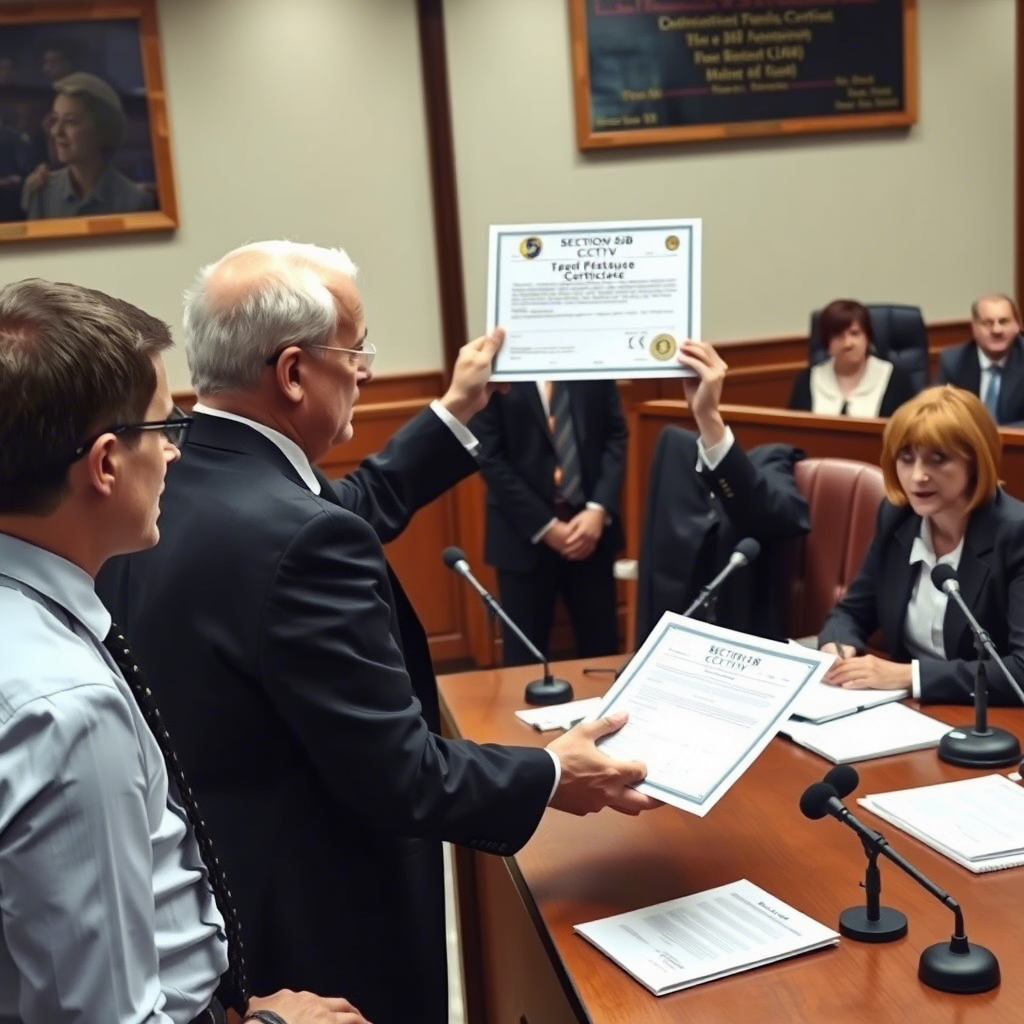
What Should Be in a Section 65B Certificate for CCTV Footage?
A good Section 65B Certificate for CCTV footage should include these important details:
- Who Issued It?
- Full name and job title of the person issuing the certificate.
- Their connection to the CCTV system (e.g., owner, manager, technician).
- Their contact information.
- About the CCTV System:
- A clear description of the system (e.g., make and model of cameras, recording device, location).
- When it was installed (if known).
- Which specific camera(s) recorded the footage.
- About the Footage:
- The exact dates and times the footage covers.
- The type of video file (e.g., MP4, AVI).
- Where the footage was stored (e.g., the recorder’s hard drive, cloud storage).
- The size of the file(s).
- System Status:
- A statement that the CCTV system was working correctly when the footage was recorded.
- A statement that the system was used for its intended purpose.
- How the Footage Was Got:
- How the footage was retrieved from the system (e.g., copied directly from the recorder, a backup copy).
- A statement that the footage provided is a true copy of the original recording.
- No Changes Made:
- A clear statement that the footage has not been edited or altered in any way since it was recorded.
- Signature and Date:
- The signature of the person issuing the certificate.
- The date the certificate was issued.
Conclusion:
Using CCTV footage as evidence can be incredibly powerful, but it’s essential to ensure it’s legally sound. A Section 65B Certificate is the key document that makes your CCTV evidence admissible in court. It provides proof that the footage is genuine, reliable, and hasn’t been tampered with.
At cctvonrent.in, we offer reliable CCTV rental solutions tailored to your security needs. We understand the importance of proper documentation and can help you navigate the process to ensure your CCTV footage is ready when needed.
Ready to secure your property with a reliable CCTV system? Contact cctvonrent.in today for a free consultation and site survey.
📞 Call/WhatsApp: +91 9702-55-4444 (Free Site Survey)
cctvonrent.in – Your Trusted Partner for Reliable CCTV Solutions in Mumbai, Navi Mumbai & Thane.